- fssai
- nutrition-labels
- exports
- food labelling
- compliance
Halal Labeling Requirements for UAE Imports: A Guide
Master UAE halal labeling requirements for food imports. Learn certification rules, shelf-life formatting, and how to automate compliance for GCC markets.
FCOS Team19 min read
Meeting halal labeling requirements for UAE imports is not a matter of following universal religious guidelines, but of adhering to a specific, state-mandated regulatory framework that prioritizes accreditation over general compliance. To clear customs, all animal-derived products must bear an accredited halal mark and be accompanied by certification issued by a body recognized by the UAE government. While the nation imports approximately 90% of its food supply, this high volume of trade does not relax the scrutiny applied to animal derivatives. Instead, it necessitates a rigid verification process at the port of entry to ensure every SKU meets the Emirates’ specific safety and religious standards.
The strategy for navigating these requirements depends on whether you are an in-house regulatory officer validating a single product line or an export agency managing a rotating portfolio of CPG brands. An individual brand lead must solve for the specific technicalities of the Dubai Food Code to protect a single supply chain, whereas an agency requires a repeatable system to prevent port rejections across hundreds of distinct shipments. This guide settles the ambiguity regarding which certification bodies are currently valid under the Ministry of Industry and Advanced Technology (MOIAT) and details the precise labeling formats required to move goods from the warehouse to UAE retail shelves without logistical delays.
Key takeaways
- All imported poultry, meat, and meat products must carry a halal certificate from an accredited body recognized by MOIAT.
- Shelf-life formatting is strictly determined by the product's duration: DD/MM/YYYY for under 3 months, while longer-life products allow MM/YYYY.
- Centralizing compliance data in a B2B workspace like FCOS prevents labeling errors that lead to costly shipment rejections at UAE ports.
- Compliance requires verifying that your certification body aligns with UAE Cabinet Resolution No. 10 of 2014.
Table of contents
- UAE food imports require accredited halal certification for all animal products
- Dubai Food Code 2.0 mandates accredited certification for meat imports
- MOIAT recognition determines the validity of your halal mark
- Shelf life duration dictates your date labeling format
- Centralize regional variations in a single B2B workspace
- Verify your labeling requirements against the 2025 updated guides
- Distinguish between mandatory halal labeling and voluntary claims
- Automate the transition from product data to shelf-ready labels
- Maintain compliance across the GCC using localized templates
- Frequently asked questions
- Determining Your Strategy for UAE Regulatory Integration
UAE food imports require accredited halal certification for all animal products
To comply with halal labeling requirements for UAE imports, all animal-derived products must be accompanied by an accredited Halal certificate issued by a body recognized by the Emirates. Failure to provide this documentation at the point of entry will result in customs rejection and the inability to distribute goods within the domestic market.
The UAE maintains these strict standards because it relies heavily on international trade to sustain its food supply chain. Currently, more than 80 per cent of the food consumed in the UAE is imported from global markets. This high volume of trade necessitates a rigorous regulatory framework to ensure that all imported animal products, including meat, poultry, and ingredients derived from them, align with Islamic dietary laws.
Importers must ensure that the certifying body in the country of origin is officially recognized by the UAE’s Ministry of Industry and Advanced Technology (MoIAT). This requirement extends beyond raw meat to include any processed foods containing animal fats, gelatin, or rennet.
To avoid shipment delays or total loss of cargo, businesses should verify the accreditation status of their chosen certification body before the production phase begins. Because regulatory lists and specific accreditation statuses are subject to periodic updates, importers should confirm current certification requirements on the official ministry portal or through a registered customs agent to ensure the most recent standards are met. Proper documentation must be presented alongside the commercial invoice and packing list during the customs clearance process.
Dubai Food Code 2.0 mandates accredited certification for meat imports
Secure accredited certification for all meat-based imports to comply with the Dubai Food Code 2.0. This regulatory framework dictates food safety standards across the emirate. When managing halal labeling requirements for uae imports, you must provide formal documentation rather than relying on a logo on the packaging. UAE authorities treat halal status as a mandatory compliance attribute that requires verification before customs clearance.
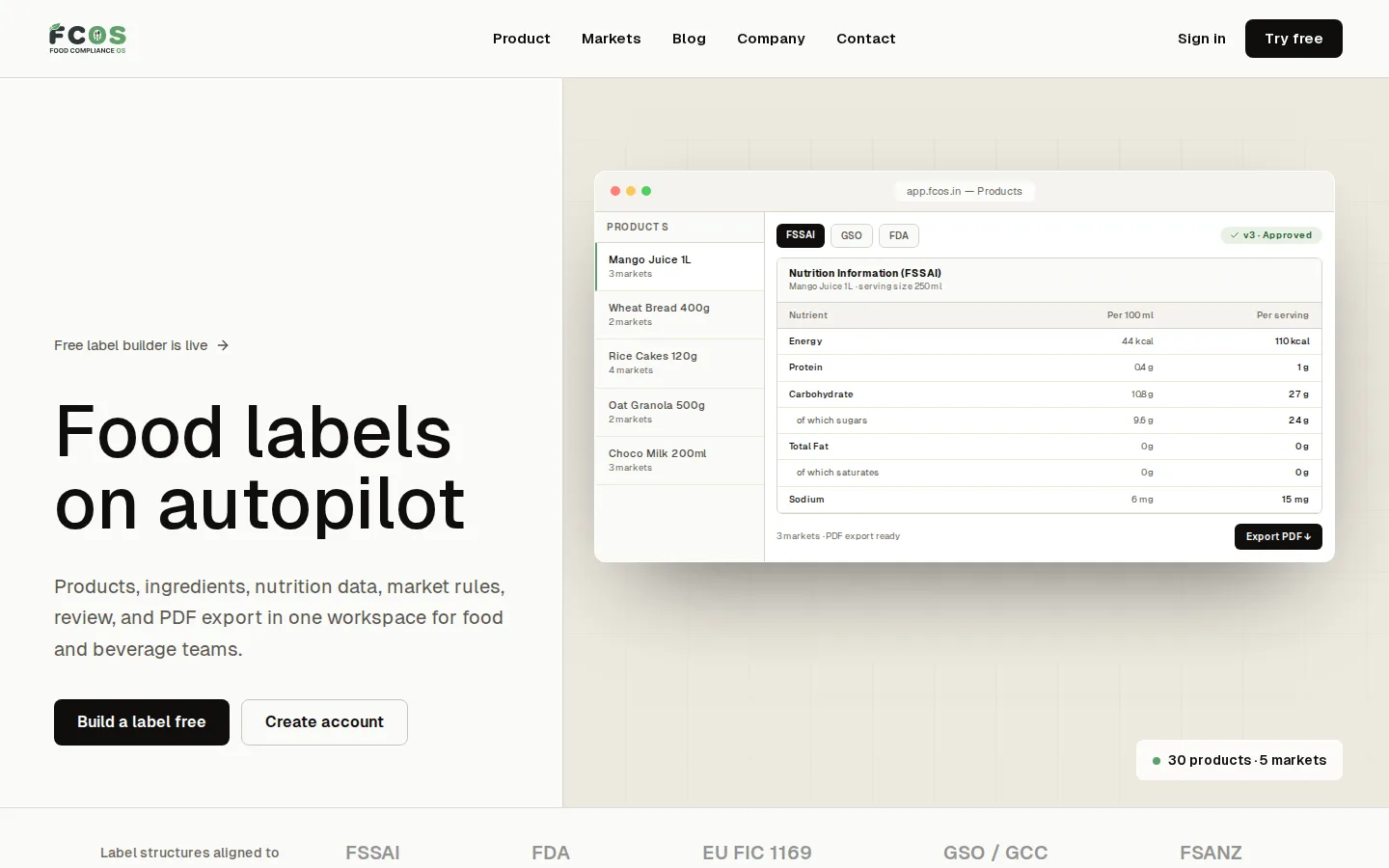
Follow the strict verification protocols enforced for high-risk food categories. As detailed in the Halal Certification in UAE - Export Requirements and Process, the Dubai Food Code 2.0 requires a halal certificate from an accredited body for all imported poultry, meat, and meat products. This requirement places the burden of proof on the certifying authority. This ensures that the entire supply chain, including every stage from slaughter to processing, adheres to Islamic dietary laws defined by UAE standards.
Importers must ensure their documentation covers three specific categories that trigger this mandatory certification:
- Poultry: Including all whole birds or chilled/frozen parts.
- Meat: Including raw red meat such as beef, lamb, goat, or mutton.
- Meat Products: Any processed, canned, or frozen items containing meat derivatives or ingredients sourced from animal by-products.
Present an original Halal Certificate at the port of entry to avoid shipment rejection. You must obtain this document from a Halal Certification Body (HCB) that maintains valid accreditation. Authorities will reject or destroy goods lacking this certification, even if the retail packaging includes halal symbols. In addition to religious certification, you must verify that your packaging meets all mandatory disclosure standards. Use the UAE Nutrition Label Requirements + Label Builder Guide to structure your product data and ensure compliance with both health and religious mandates.
Prepare for inspection at Dubai’s ports by ensuring certificate details are accurate. Officials will check that the HCB’s accreditation is active and that the certificate matches the batch numbers, quantities, and production dates of your specific shipment.
MOIAT recognition determines the validity of your halal mark
Importers must verify the accreditation status of their Halal Certification Body (HCB) through the Ministry of Industry and Advanced Technology (MOIAT) before finalizing any shipments to the UAE. The presence of a halal logo on a product label does not guarantee entry; the mark is only considered valid if the issuing body is officially recognized by the Ministry. According to the Halal Certification in UAE export requirements published on April 8, 2026, MOIAT serves as the primary regulatory authority overseeing the accreditation of these certification entities.
This regulatory framework is anchored in Cabinet Resolution No. 10 of 2014, which established the UAE National System for Halal Products. Under this resolution, any HCB operating globally that wishes to certify products for the UAE market must undergo a rigorous evaluation process to gain MOIAT recognition. If a brand utilizes a certifier that lacks this specific accreditation, the UAE authorities will reject the halal claim, potentially leading to the seizure of goods or a mandatory re-labeling process at the port of entry.
The UAE labeling and marking guide, which was updated on August 25, 2025, emphasizes that all imported food items claiming to be halal must comply with these specific accreditation standards. Brands should request a copy of their certifier's current MOIAT accreditation certificate and verify its expiration date before production begins. Because accreditation statuses can be suspended or revoked, importers should confirm the current standing of their chosen body on the official MOIAT portal regularly.
The following table outlines the roles and documentation required for compliance within this framework:
| Entity Type | Role in UAE Compliance | Required Documentation |
|---|---|---|
| MOIAT | Regulates and grants official recognition to certification bodies. | Cabinet Resolution No. 10 of 2014 and accreditation registers. |
| Accredited Halal Body | Audits manufacturers and issues halal certificates for specific batches. | Valid MOIAT accreditation certificate and signed halal certificates. |
| Food Importer | Ensures all products meet UAE labeling and certification standards. | Shipment-specific halal certificates and commercial invoices. |
Failure to align with these requirements results in immediate non-compliance at customs. Ensuring that the certification body is listed on the Ministry’s approved schedule is the first technical step in the import process. Once the validity of the halal mark is established, the focus must shift to the technical layout of the label itself, specifically regarding how the product's lifespan is communicated to the end consumer.
Shelf life duration dictates your date labeling format
Format your date markings according to the specific shelf life of your product to comply with UAE Ministry of Climate Change and Environment (MOCCAE) and local municipal regulations. You must determine the correct chronological sequence based on the time elapsed between production and expiry, as incorrect formatting frequently leads to consignment rejection at UAE ports of entry. The technical requirement for date marking depends entirely on the window between the date of production and the date of expiry.
Use the Day/Month/Year sequence for all perishable items or products with a shelf life of three months or less. This specific order is mandatory for short-cycle goods to ensure food safety and consumer protection. According to the United Arab Emirates - Labeling/Marking Requirements, this sequence enables inspectors to identify the exact day a product must be removed from the shelf. You must avoid the Month/Day/Year format common in North America, because using that sequence will result in immediate non-compliance.
Apply either the Day/Month/Year or the Month/Year format for shelf-stable products with a lifespan exceeding three months. The regulatory requirements provide additional flexibility regarding the level of detail required for these items. As stated in the United Arab Emirates - Labeling/Marking Requirements, you may only omit the specific day if the total shelf life is verified to exceed the three-month threshold.
Verify your layout accuracy and date sequencing before mass printing by using a UAE nutrition label requirements + label builder. This tool helps you manage these variables alongside other mandatory elements like Arabic translations and Halal marks.
Print all date markings directly onto the primary packaging or use permanent embossing in a clear, legible font. You must not use stickers or supplemental labels for date markings on commercial imports, as this practice can lead to the seizure of the shipment. Ensure all dates appear in both English and Arabic to meet national labeling standards and remain accessible to the entire UAE consumer base.
Centralize regional variations in a single B2B workspace
Move to a centralized B2B workspace like the FCOS platform to manage UAE halal labeling requirements. Replace siloed spreadsheets and static design files with this system to coordinate nutritional data, ingredient lists, and Halal certification details. Establish a central source of truth to keep foundational product data consistent while adapting it for various Middle Eastern regulatory environments.
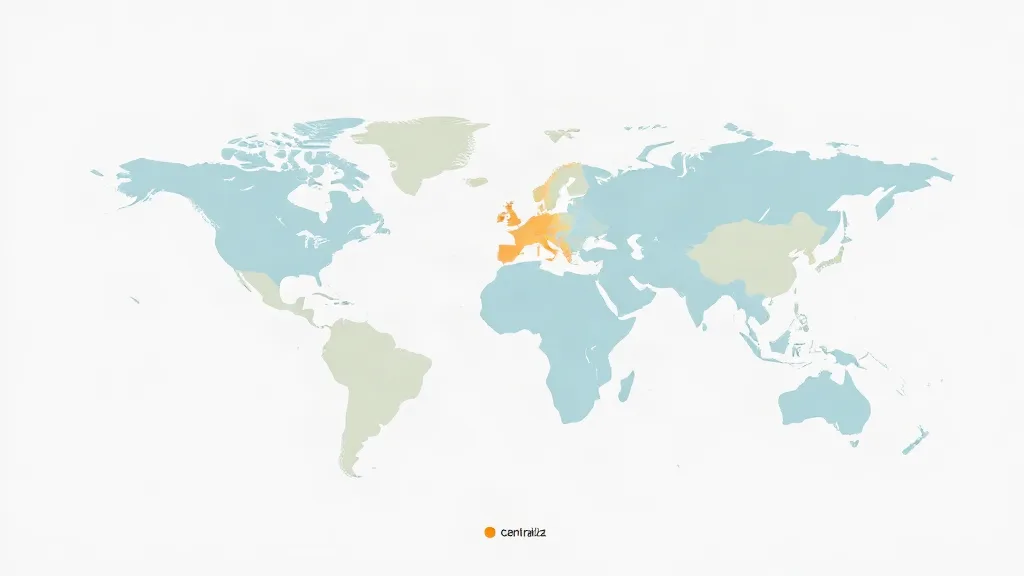
Store master data for every SKU in this workspace, including specific Halal slaughtering details, ethanol content declarations, and mandatory Arabic translations. Use this method to prevent fragmentation between departments. Quality assurance, regulatory affairs, and marketing teams should all work from the same record rather than disparate documents. If the UAE updates standards for font sizes or Halal mark placement, apply the change to the master record to update all relevant files simultaneously.
Export market-specific PDFs from the platform to convert raw data into market-ready assets. Account for subtle differences in mandatory labeling elements, even though the UAE and other GCC nations share GSO standards. Use the Nutrition label requirements by market resource to verify regional nuances before you finalize any designs. Generate labels that comply with GSO 9/2013 standards for the UAE, while maintaining the ability to create separate versions for markets with unique additive warnings or formatting layouts.
Consolidate these workflows to reduce the risk of shipment rejections at the port of entry caused by labeling discrepancies. Use this structured environment to ensure UAE-bound product labels reflect current regulatory data without manual redesigns of the global packaging architecture. Confirm current plan features and pricing on the vendor's website to ensure the platform meets your specific organizational needs, as service tiers are subject to change.
Verify your labeling requirements against the 2025 updated guides
Importers must prioritize the immediate audit of their product packaging against the most recent regulatory revisions to maintain uninterrupted market access. Relying on legacy documentation or compliance checklists from previous years introduces significant risk, as the UAE frequently updates its standards to align with evolving Gulf Cooperation Council (GCC) protocols and national safety objectives.
The most recent comprehensive update to the United Arab Emirates Labeling and Marking Requirements was published on August 25, 2025. This update serves as the current benchmark for all goods entering the country. For international brands, the danger of using outdated information extends beyond simple clerical errors; it can result in the immediate detention of shipments by UAE Customs, the imposition of administrative fines, and the mandatory destruction or re-export of non-compliant goods.
Regulatory compliance is a dynamic requirement rather than a one-time certification. Because standards regarding ingredient disclosures, nutritional panels, and language requirements are subject to revision, businesses must confirm specific details on the relevant government portal before every major production run. An article or guide that suggests requirements are static is inaccurate; always verify the latest implementation dates and specific annexes on the official regulatory page to ensure the data remains current.
Proactive verification prevents the high costs associated with re-labeling shipments at the port of entry. In many cases, the logistical expense and labor required to rectify labeling errors in a bonded warehouse can exceed the profit margins of the shipment itself. By anchoring compliance strategies in the August 25, 2025, updates, brands ensure that their documentation reflects the current expectations of UAE inspectors and the Ministry of Industry and Advanced Technology (MoIAT).
Distinguish between mandatory halal labeling and voluntary claims
Categorize your products by ingredient nature to determine if a Halal certificate and logo are legal requirements or marketing choices. The Ministry of Industry and Advanced Technology (MoIAT) does not require halal labeling for every food and beverage category.
Mandatory Halal Labeling
Secure Halal certification and labeling for any product containing animal-derived ingredients. This rule applies to raw meats, poultry, and processed goods containing animal fats, gelatin, enzymes, or rennet. If a component could originate from non-halal species or non-compliant slaughtering methods, you must provide a Halal certificate from a body accredited by the Emirates International Accreditation Centre (EIAC) or the GCC Accreditation Center (GAC). Ensure the physical label displays the approved Halal mark to avoid customs delays.
Voluntary Halal Claims
Skip mandatory labeling for "inherently halal" products to clear imports. This category includes:
- Pure Minerals: Bottled water, table salt, and calcium carbonate.
- Plant-Based Items: Fresh fruits, vegetables, and grains in their natural state that lack animal-derived additives.
- Synthetic Chemicals: Lab-synthesized flavorings or preservatives created without animal catalysts.
You may still include a Halal logo on these items as a voluntary claim. Brands often do this to build consumer trust, as Halal status significantly influences purchasing behavior in the region. The logo acts as a quality assurance signal for naturally compliant products.
Categorizing the Product
Review the Product Data Sheet (PDS) and the specific HS Code to identify the correct category. If the product contains complex additives, such as E-numbers that can be either plant or animal-based (for example, E471 mono- and diglycerides of fatty acids), UAE authorities usually mandate certification. You must prove a 100% plant-based origin through a certified supply chain to bypass this.

Check the current list of regulated products on the MoIAT official portal because classification standards for additives change. Confirm the requirements for your HS code on the MoIAT website or consult a registered TASNEEF specialist. If the product contains no animal derivatives, you may choose to label it based on your brand positioning.
Automate the transition from product data to shelf-ready labels
Transitioning from raw product specifications to a label that meets the specific halal labeling requirements for UAE imports often creates a bottleneck in the supply chain. FCOS eliminates this delay by automating the mapping of product data directly into localized templates. Instead of manual data entry and graphic design cycles, the system converts ingredient lists, nutritional facts, and certification details into a format ready for the UAE market. This automation focuses on launch speed, allowing companies to move from a finalized product formulation to a compliant label in a fraction of the time required by traditional methods.
The platform provides a "free experience" feature that allows regulatory teams to generate and preview UAE-compliant labels immediately. By uploading product data into this environment, compliance officers can visualize how the mandatory elements, such as the Halal mark, the Arabic ingredient deck, and the country-of-origin statement, will appear on the final packaging. This immediate feedback loop allows for the rapid identification of errors before any physical printing occurs, ensuring that the transition from the laboratory or kitchen to the retail shelf occurs without technical interruptions or manual rework.
For regulatory compliance officers managing portfolios across the Middle East, this speed is compounded by the ability to review labels for multiple markets simultaneously. The system allows users to toggle between the specific requirements for the UAE, Saudi Arabia, and Kuwait using the same underlying product data. Because the software applies the distinct regulatory logic of each jurisdiction to the data, a compliance officer can verify a UAE label and then immediately preview the adjustments necessary for a Kuwaiti or Saudi Arabian version. This centralized approach ensures that regional launches are synchronized rather than staggered by individual market approvals.
For professionals who need to return to the platform to initiate a new labeling project but have lost their credentials, the option to Reset your FCOS password allows for immediate recovery of the workflow.
The platform offers different service tiers to accommodate varying volumes of product data and compliance needs. Users should confirm the specific features and current costs of these plans on the vendor’s pricing page, as these details are subject to change based on service updates. By removing the need for manual translation and layout adjustment, the system ensures that the technical requirements for Halal labeling, including the precise placement of certification logos and the specific font requirements for Arabic text, are handled automatically, allowing teams to focus on market entry rather than administrative correction.
Maintain compliance across the GCC using localized templates
Align your UAE import processes with Gulf Cooperation Council (GCC) standards to simplify regional expansion. The Ministry of Industry and Advanced Technology (MoIAT) in the UAE uses a foundation similar to the Saudi Food and Drug Authority (SFDA) and other bodies under the Gulf Standardization Organization (GSO). Adopt a centralized data architecture to map core product attributes, including Halal certification status, ingredient origins, and nutritional values, to multiple localized templates at once.
Use a platform that integrates global standards like FSSAI, FDA, and EU regulations to implement a "write once, apply many" compliance strategy. Establishing a data baseline for a UAE import creates a reusable asset for other markets. You can transition products into Saudi Arabia or Kuwait without rebuilding the technical file from scratch. Instead, apply localized templates that adjust for nuances like language placement or font size while preserving the underlying Halal data.
Manage multi-market portfolios by using systems that bridge technical gaps between jurisdictions. Review the GCC nutrition label requirements (GSO) + label builder documentation to see how to generate localized templates directly from existing product data. This approach prevents data silos and ensures that updates to Halal certificates or allergen statements update all regional labels automatically.
Scale from the UAE into neighboring markets by prioritizing technical interoperability. Use software that supports international frameworks to eliminate manual cross-referencing between SFDA and MoIAT requirements. This keeps products compliant during cross-border movement and maintains the validity of Halal claims without requiring extra laboratory testing or manual documentation cycles.
Frequently asked questions
What are the requirements for importing food into the UAE?
Secure accredited halal certification for all animal-derived products and register your business with the Ministry of Industry and Advanced Technology (MoIAT). You must also ensure every product is registered within the ZAD or FIRS portals to facilitate mandatory safety inspections and customs clearance at the point of entry.
What are the labeling regulations in the UAE?
Affix labels that display the product name, ingredient list, net weight, country of origin, and production/expiry dates in a clear, indelible format. For halal-certified goods, you must prominently feature the MoIAT-recognized halal mark and provide accurate Arabic translations for all mandatory data points to meet GSO standards.
What are the import requirements for the UAE?
Obtain a valid commercial license and provide a complete documentation set including the original health certificate, certificate of origin, and a detailed packing list. For all meat and poultry shipments, you must present a Halal Slaughter Certificate issued by a recognized certification body in the exporting country.
What are the new rules in the UAE for 2026?
The UAE is transitioning toward a fully digitalized trade ecosystem with heightened enforcement of the National Halal System standards. Importers should prepare for advanced traceability mandates that require digital halal certificates to be linked directly to specific batch codes within the national customs database.
who offers cloud-based tools for food labeling and compliance?
Specialized regulatory technology providers offer cloud-based platforms designed to automate the creation of GCC-compliant product labels. These tools allow you to centralize product specifications and apply localized templates that automatically adjust for mandatory halal markings and regional date formats.
Determining Your Strategy for UAE Regulatory Integration
- Confirm MOIAT status, cross-reference your Halal Certification Body against the latest Ministry of Industry and Advanced Technology registry to ensure mark validity.
- Categorize product claims, distinguish between mandatory halal marks for animal products and voluntary claims to avoid unnecessary regulatory scrutiny.
- Review date formats, verify if your product’s shelf life necessitates a "Production/Expiry" or "Best Before" format according to UAE.S 9 standards.
- Scan regional overlaps, identify which elements of your UAE label can be standardized across the GCC and which require localized templates.
- Test data flow, check if your ingredient specifications can automatically populate a shelf-ready label without risking manual transcription errors.
Maintaining compliance requires a system that updates as fast as the regulations do. Use FCOS to centralize your specifications and generate compliant labels for the UAE market by visiting https://fcos.cloud/.